
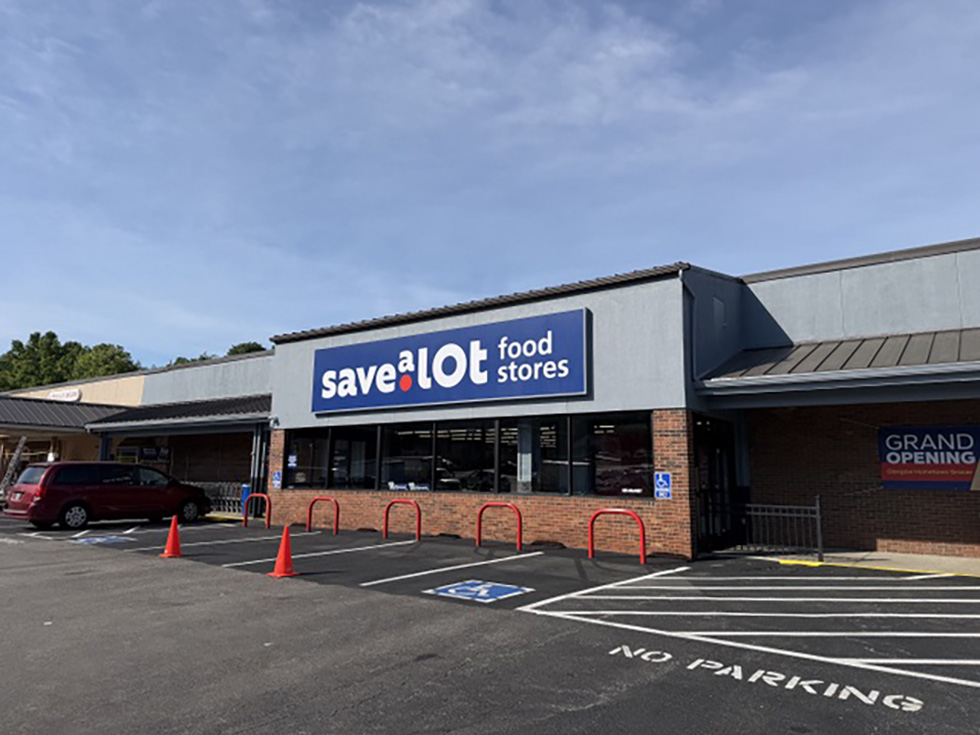
Houchens Food Group (HFG) has relocated its Save A Lot in Glasgow, Kentucky, to an expanded location at 742 East Main St. The move adds about 2,000 square feet of retail space and introduces fresh-cut meats, a full‑service produce department, assortment of baked goods and an aisle of Hispanic food items. The store also created […]
Category: Southeast
Posted inAssociation News, Bakery News, Dairy News, Deli News, News, Southeast
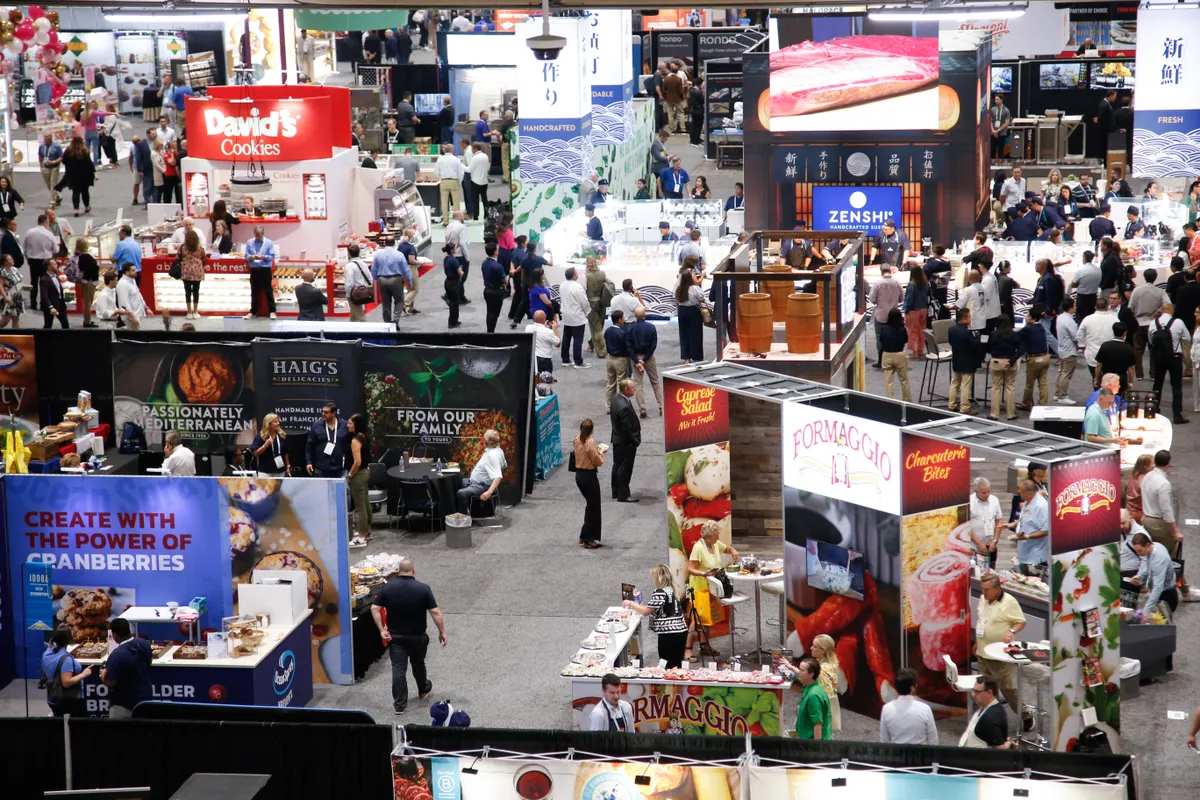
IDDBA Show Returns To Orlando With New Experiences, Top Speakers
More than 10,000 industry professionals from 40-plus countries are expected to attend IDDBA, with over 1,000 exhibiting companies on the floor.
Posted inCorporate Store News, Featured News, News, Southeast, Whole Foods
Whole Foods Market To Open July 2 In Doral, FL
Whole Foods Market will open its newest 43,000-square-foot store July 2 at 10700 NW 41st St. in Doral, Florida. The Doral location highlights the retailer’s commitment to local sourcing, featuring more than 550 products from some 125 suppliers across the Sunshine State. The selection was developed with the help of Dustin Kennedy, forager for local […]
Posted inIndependent Store News, Featured News, Lowes Foods, News, Southeast
Lowes Foods Expanding Footprint Around Charlotte, NC
Lowes Foods will open a new store June 18 at the intersection of Kannapolis Parkway and Rogers Lake Road in Kannapolis, North Carolina.
Posted inOnline Grocery Technology, News, Southeast
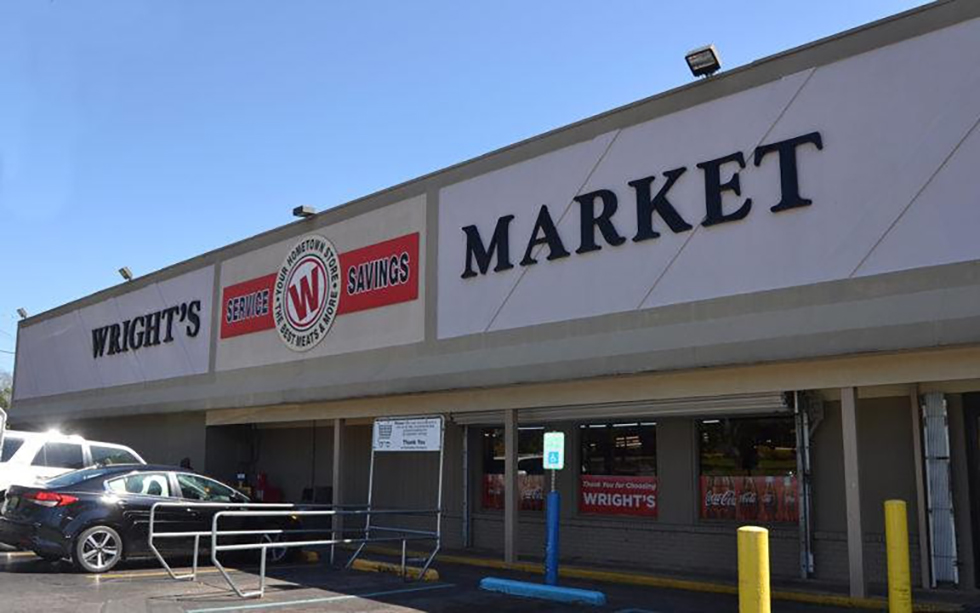
Wright’s Market Relaunches Online Shopping With eGrowcery
Wright’s Market has relaunched its e‑commerce platform, powered by eGrowcery. The initiative, nicknamed “Wright’s Market E-Commerce 2.0,” aims to regain previous online sales levels while delivering a more expansive and inclusive shopping experience. “We wanted a partner who was continuing to add the features and functionality required for a successful independent grocer experience,” said Jimmy […]
Posted inCorporate Store News, Ahold Delhaize, Featured News, News, Southeast
Ahold Delhaize USA Hosts First Supplier Summit, Donates 500K Meals
Ahold Delhaize USA convened about 400 leaders from its East Coast brands – Food Lion, Giant Food, The Giant Co. and Stop & Shop – along with top supplier partners for its first Supplier Summit in Charlotte, North Carolina. The event May 19‑20 focused on driving shared growth, winning with omnichannel customers and delivering local […]
Posted inIndependent Store News, Featured News, News, Rouses Market, Southeast
Rouses Reveals Plans For First Store In Chalmette, LA
Rouses Markets has announced plans for its 77th store – and first in Louisiana’s St. Bernard Parish – at 8700 W Judge Perez Drive in Chalmette. Expected to open in the second quarter of 2027, the 47,694‑square‑foot store will fill spaces once occupied by Big Lots and Sav‑A‑Lot, transforming a dormant commercial corridor. As part […]
Posted inCorporate Store News, Featured News, Food Lion, News, Southeast
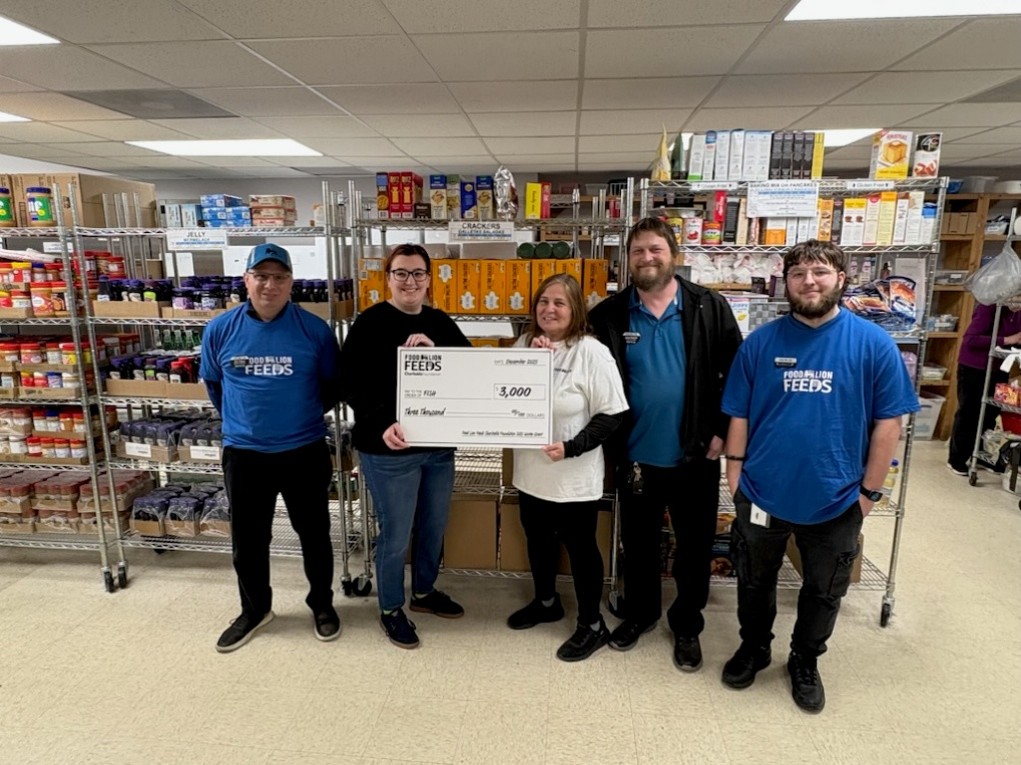
Food Lion Feeds Awards $1M In Grants To 280 Partners
The Food Lion Feeds Charitable Foundation awarded nearly $1 million in “Nourishing our Neighbors” grants to more than 280 nonprofits during its 2026 spring/summer grant cycle. Since its inception in 2001, the foundation has distributed more than $25 million in grants to support community feeding partners in the grocer’s 10‑state operating area. “Our local feeding […]