
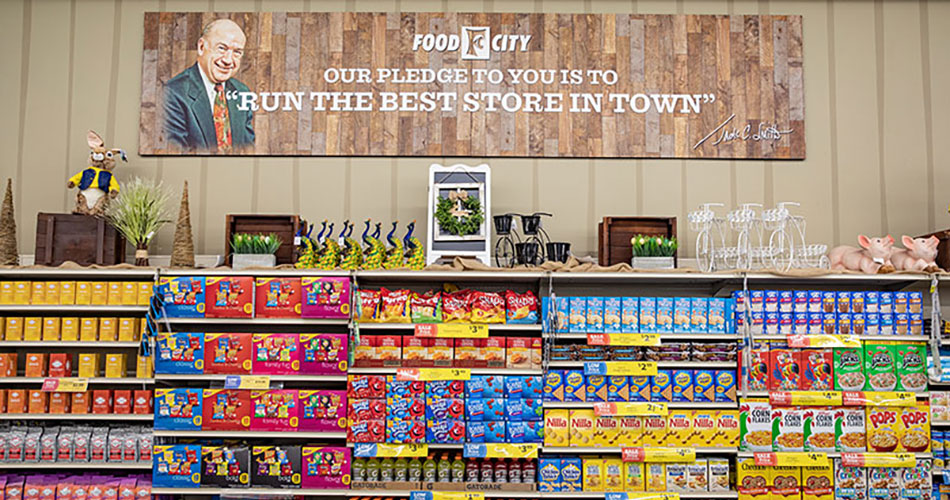
Walk into a Food City store and the first thing you see is a thank-you note. A tribute to the town – whatever one it happens to be – right there in the lobby, where the company has made a habit of saying thank you to the community before asking anything of it. “I just […]
Category: Feature
Posted inIndependent Store News, Feature, Featured News, Food City, News, Retailer of the Year, Southeast
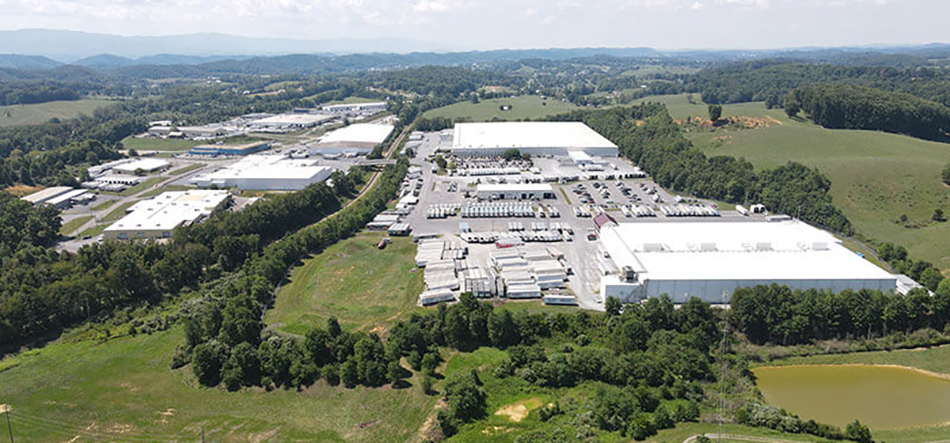
Food City Growth Brings ‘Fun Challenge’ Of Managing Distribution, Culture
When an ice storm hits and the news tells everyone to stay home, Greg Sparks knows exactly what happens next. “Our drivers are out there,” he said. That mindset – part duty, part pride – helps explain why Food City is The Shelby Report of the Southeast’s 2026 Retailer of the Year. Having served friends […]
Posted inIndependent Store News, Feature, Featured News, Food City, News, Retailer of the Year, Southeast
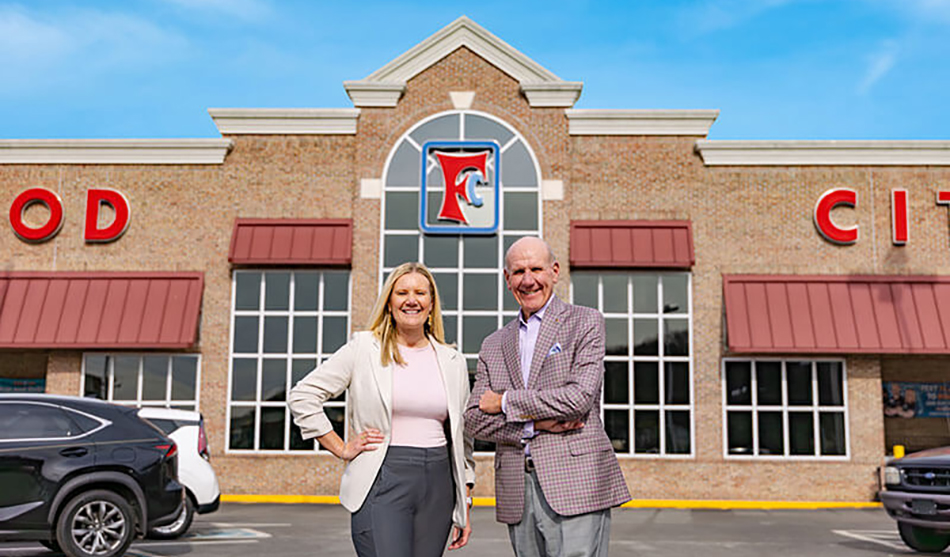
Food City CEO Reflects On Legacy, Growth, Art Of Running Best Store In Town
Having served friends and neighbors for more than 100 years, Food City is proud to be locally owned and operated. With 164 retail outlets spanning five states, the company’s dedicated team of more than 19,200 associates is committed to the mission it was founded upon: to “run the best store in town.” That commitment to […]

Posted inCorporate Store News, Feature, Featured News, News, Southeast, Walmart
Walmart Blanketing Southeast With Remodeled Supercenters, Additional Locations
On April 16, Walmart announced its plans for remodels and new locations in markets across the country. A total of 650 remodels is planned, along with 20 new store locations this year and early into 2027. “This year, we are making a significant investment in our stores across the United States, reinforcing our commitment to […]

Posted inWholesaler/Distributor News, Feature, Featured News, News, Southeast
PWADC Food Show To Feature New Products, Education Sessions
Piggly Wiggly Alabama Distributing Co. (PWADC) is heading into its May food show and aims to build on recent gains in show performance, private label, fresh and digital participation. Tod Seiling, who joined PWADC as chief merchandising officer in October 2025 after executive roles with Lidl US and Save A Lot, said the co-op has […]

Posted inIndependent Store News, Feature, Featured News, Marketing News, News, West
How Swensens Built A Social Media Sales Channel That Rivals Any App
Idaho independent’s “Social Deal” program turns Facebook comments into a weekly reservation system – no shopping app to download, no online checkout, no problem. When Swensen’s Markets posted a deal on 50-pound boxes of Idaho russet baking potatoes to its Facebook page in mid-February, the family-owned grocer likely expected a solid response. What it got […]
Posted inExecutive News, Anniversary Issues, Feature, Featured News, Midwest, News, Wholesaler/Distributor of the Year
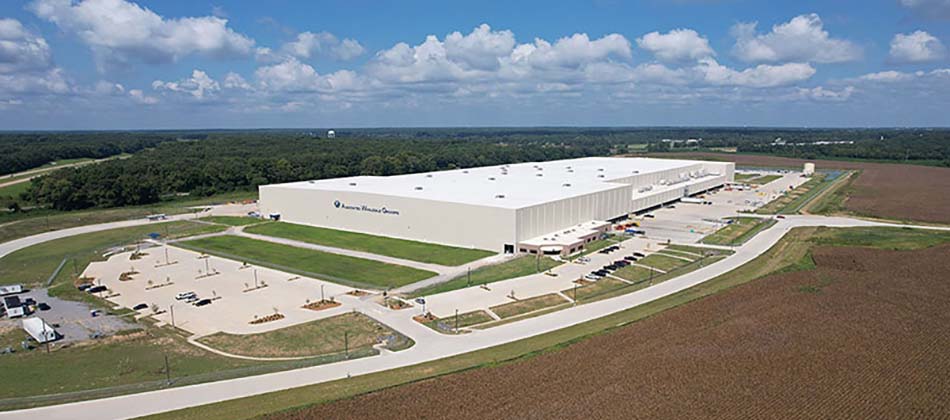
Stewardship And Growth: Former AWG CEO Smith Reflects On Leading Through Change
As Associated Wholesale Grocers celebrates its centennial, former CEO David Smith looks back on his tenure with the perspective of a steward who sought to leave the cooperative stronger than he found it. Smith joined AWG in August 2003 as director of real estate. He stepped into the CEO role at the end of 2015, […]
Posted inWholesaler/Distributor News, Feature, Featured News, Midwest
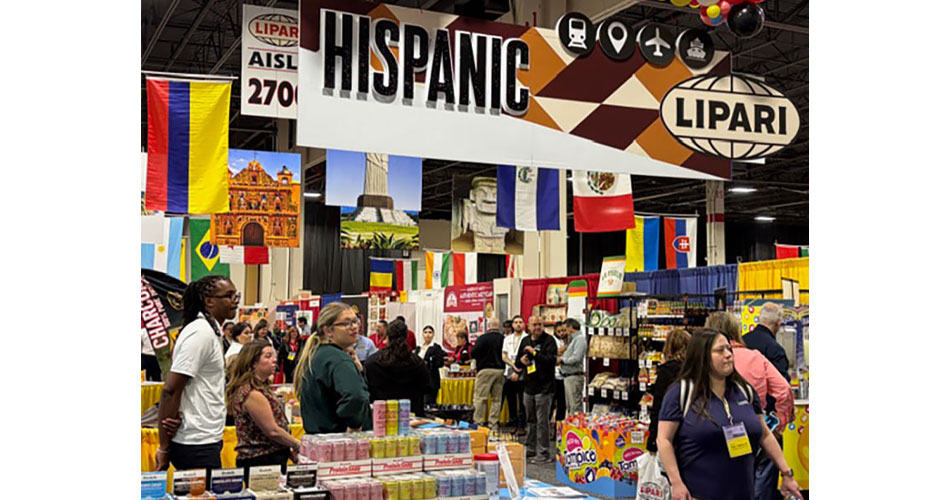
Lipari Foods Debuts Global Strategy At ‘Passport To Flavor’ Event
Lipari Foods marked its largest-ever trade show March 25 at the Suburban Collection Showplace in Novi, Michigan, welcoming 11,000 retailers under the theme “Passport to Flavor” as the company unveiled a comprehensive rebrand centered on global foods. The event featured about 750 booths with 13,000 items on display, 1,300 of which were new to Lipari’s […]